Rodent Control Idaho Falls, ID | Licensed Mouse & Rat Removal
Licensed Mouse, Rat & Rodent Exclusion Specialists Serving Idaho Falls, Ammon, Ucon, Iona, Shelley & Rigby
Rodent Control Idaho Falls: If you’re hearing scratching in your attic walls this week, you’re not imagining it, and you’re not alone. Every fall, as temperatures in Idaho Falls drop toward freezing, mice and rats leave the fields and farmland surrounding the Snake River Valley and look for one thing: your house. Sunrise Peak Rodent Control finds where they’re getting in, removes them, and seals your home so they don’t come back.
Call (208) 361-9860 for a same-week inspection, or keep reading; this page covers everything Idaho Falls homeowners actually need to know about rodents in this area: why they show up, what they carry, what actually gets rid of them, and what doesn’t.
We are located at: Sunrise Peak Industrial, Idaho Falls, ID 83401
Our Services
Most Popular Services
From a single mouse in the kitchen to a full attic infestation, we handle rodent problems of every size across Idaho Falls and the surrounding valley. Our licensed technicians find where they’re getting in, remove them, and seal your home so they don’t come back.
Commercial
Keep your restaurant, warehouse, or rental property protected from the food-safety and liability risks rodents create. We provide documented service visits suitable for health inspections and lease compliance.
Residential
Scratching in the attic or droppings in the pantry? We inspect your home, remove the current population, and seal every entry point rodents can chew through — no quick fixes that leave the problem to return next fall.
Exclusion & Prevention
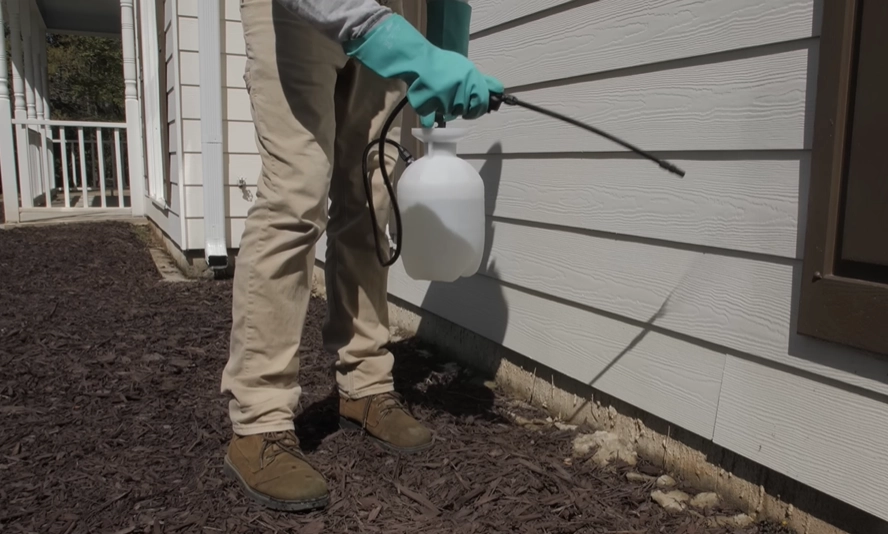
Stop rodents before they get in. Our technicians seal foundation gaps, utility penetrations, and garage thresholds with chew-resistant materials — the step most quick-fix services skip entirely.
Experienced Team
Why Idaho Falls Homes Get Rodents
Idaho Falls sits in the upper Snake River Valley, surrounded by irrigated farmland, grazing land, and open range, which means there’s a constant outdoor rodent population living just outside city limits, not a purely urban pest problem. When that farmland gets harvested, and temperatures fall, that population doesn’t disappear. It moves.
Our winters make the timing predictable: overnight lows regularly drop into the teens, and Idaho Falls sees roughly 39 inches of snow a year. Mice and rats can’t survive that outdoors, so from late September through November, they migrate toward the nearest source of warmth, food, and shelter, which is often a house, garage, or crawlspace.
Idaho Falls’ housing stock makes this worse than it might be elsewhere. The median home in this city was built in 1977, and decades of freeze-thaw cycles shift foundations and widen the small gaps rodents use to get inside. A mouse only needs an opening the size of a dime; a rat needs one the size of a quarter. In a home that’s 40-50 years old, those gaps are almost always already there around utility lines, foundation vents, garage door thresholds, and where siding meets the foundation.
This isn’t a problem unique to Sunrise Peak; it’s a statewide pattern. Rat sightings have surged sharply across Idaho over the past several years, driven partly by unusually mild winters that fail to kill off outdoor populations, and Idaho’s own state code doesn’t currently give county animal control agencies jurisdiction over rat infestations, meaning the responsibility for keeping rats out sits entirely with homeowners, not the city.
Signs You Have a Rodent Problem
Most Idaho Falls homeowners notice a rodent problem through the same handful of signs. If you’re seeing any of these, don’t wait for it to get worse; rodents breed fast, and a small problem in October is often a serious one by December.
- Scratching or scurrying sounds in walls, ceilings, or the attic, usually at night
- Droppings the size of rice grains in pantries, cabinets, or along baseboards, sometimes called the “rice test” by local pest techs, since that’s exactly what fresh droppings look like
- Grease marks: dark, oily smudge trails along baseboards and walls where rodents repeatedly travel the same route
- Gnaw marks on wiring, wood, drywall, or stored food packaging
- A strong, musty ammonia smell, especially in attics or crawlspaces in heavy infestations, dried urine and dust can build into small mounds locals sometimes call “urine pillars”
- Nests made of shredded paper, insulation, or fabric, usually found in quiet, undisturbed spaces
If you’re only seeing one or two of these, you may be early enough to stop it with exclusion work alone. If you’re seeing several, you likely already have an established population that needs a full inspection.
Open everyday from
24/7
Call to ask any question
Rodent Control Idaho Falls: Our Rodent Control Process
Rodent control that only removes the animals you can see doesn’t solve the problem; it just resets the timer until the next one gets in. Our process is built around fixing the reason rodents got in, not just the rodents themselves.
- Full Inspection. We check your foundation, attic, crawlspace, garage, and utility entry points to find exactly where rodents are getting in and how established the population is critical in older Idaho Falls homes where entry points often aren’t obvious.
- Removal. We trap and remove the current population using methods appropriate to the species and the severity of the infestation.
- Exclusion. This is the step most quick-fix services skip. We seal every entry point we find with materials rodents can’t chew through not just foam, which mice and rats will gnaw straight through.
- Follow-Up & Prevention Guidance. We check back to confirm the exclusion held, and walk you through what attracts rodents to your specific property so the problem doesn’t restart next fall.
Our Rodent Control Services in Idaho Falls
Not every rodent problem is the same animal, and treating the wrong one the wrong way wastes time and money. Below is exactly what we handle, what species-specific treatment involves, and what’s included at each stage.
Mouse Control
The most common call we get. House mice are small, gray, fast breeders; a single pair can produce a real infestation within a matter of weeks if left alone. Our mouse control service includes:
- Full interior and exterior inspection to locate nesting sites and entry points
- Identification of species (house mouse vs. deer mouse; see below), since the treatment and safety protocol differ
- Trapping and removal of the current population
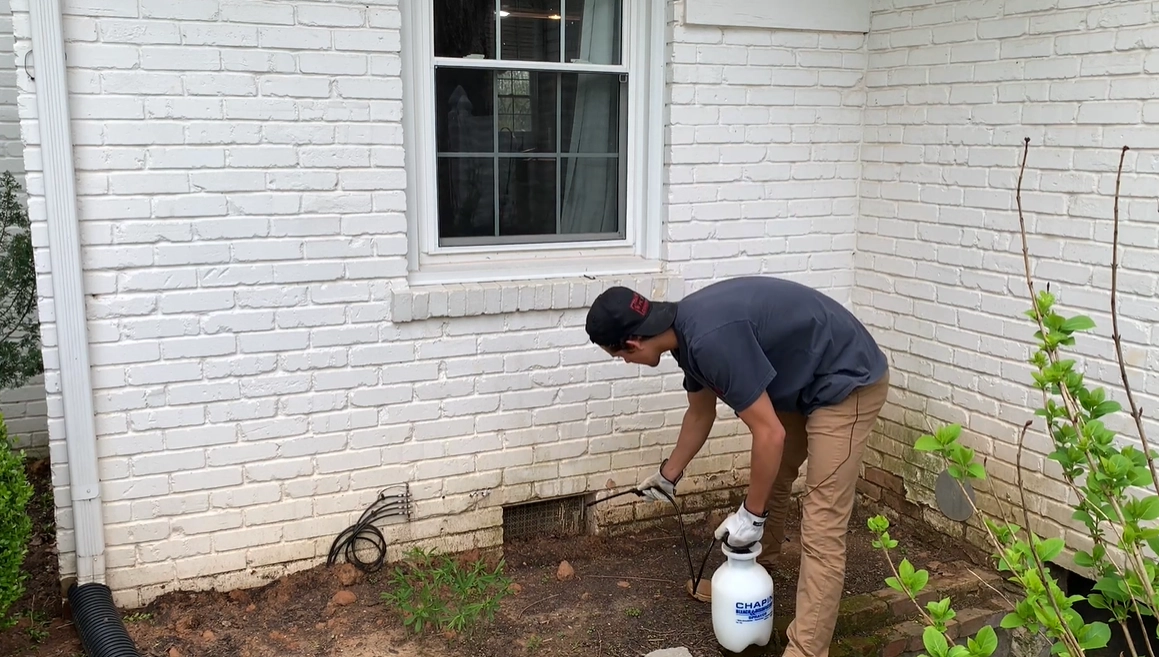
- Sealing of all identified entry points with chew-resistant material
- A follow-up check to confirm the population is gone, not just reduced
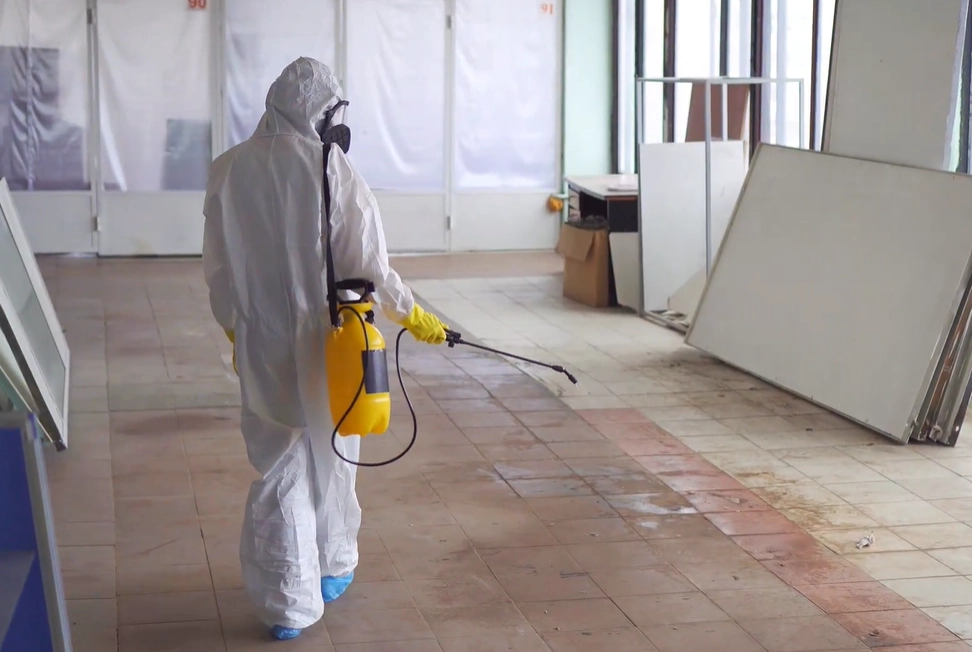
Rat Control
Norway rats and roof rats are larger, burrow near foundations and sewer lines, and are the species behind the statewide rat increase across Idaho over the past several years. Idaho requires a trapping license to legally remove rodents for a client, which is a major reason DIY rat removal rarely works long-term beyond the licensing issue; rats are more trap-shy and cautious than mice, and a rat population that’s been “spooked” by an amateur attempt becomes noticeably harder to trap afterward.
Our rat control includes full exterior burrow and entry-point inspection, licensed trapping, and structural exclusion sized appropriately for rats (a quarter-inch gap is enough for entry, larger than what stops a mouse).
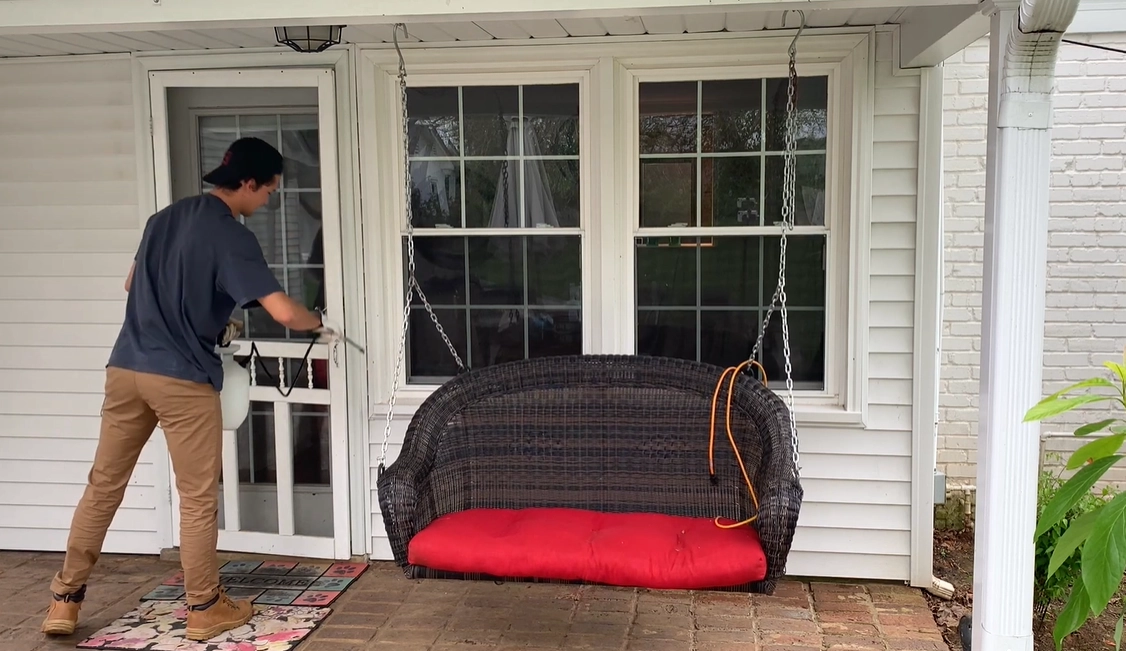
Deer Mouse & Hantavirus-Safe Cleanup
Deer mice, bicolored, with a white underside, are more common near farmland, foothills, and rural or semi-rural properties on the edge of Idaho Falls than in dense in-town neighborhoods. They matter for one specific reason: they’re the species that can carry hantavirus.
When we identify a deer mouse population, we use a different cleanup protocol than for house mice: no dry sweeping or vacuuming of droppings, proper ventilation before entry, and disinfectant-based cleanup rather than dry disturbance of nesting material. See our full [Hantavirus in Idaho Falls] page for the complete safety breakdown.
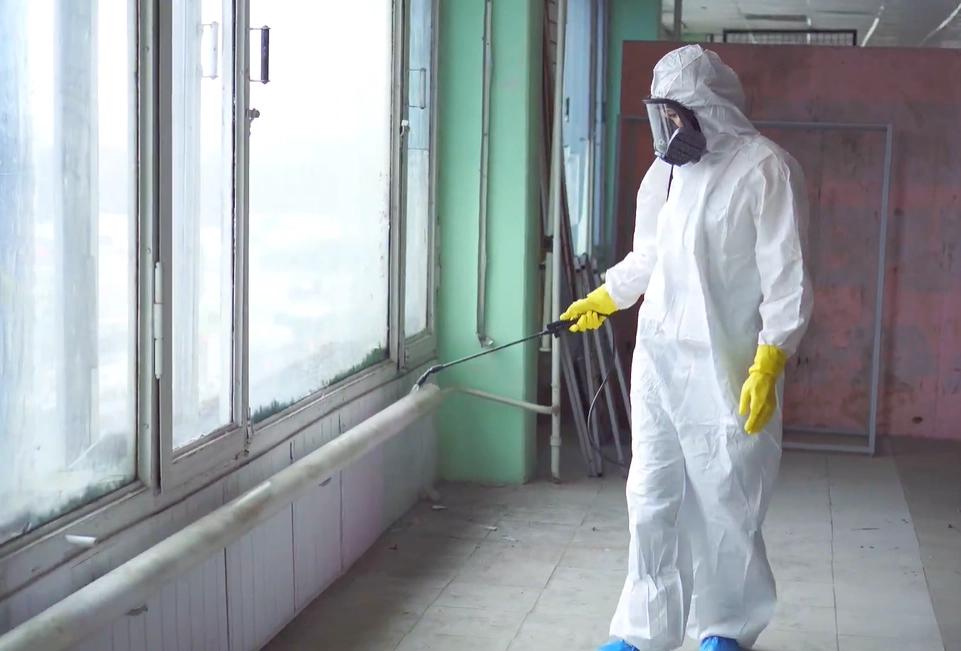
Vole & Gopher Control
Voles and gophers are outdoor lawn and landscaping pests, not typically indoor invaders, and treating them like an indoor mouse problem wastes money on the wrong service. If your lawn has surface runway trails (voles) or volcano-shaped dirt mounds (gophers), that’s a yard treatment, not an exclusion job, and we’ll tell you honestly which one you actually have before recommending anything.
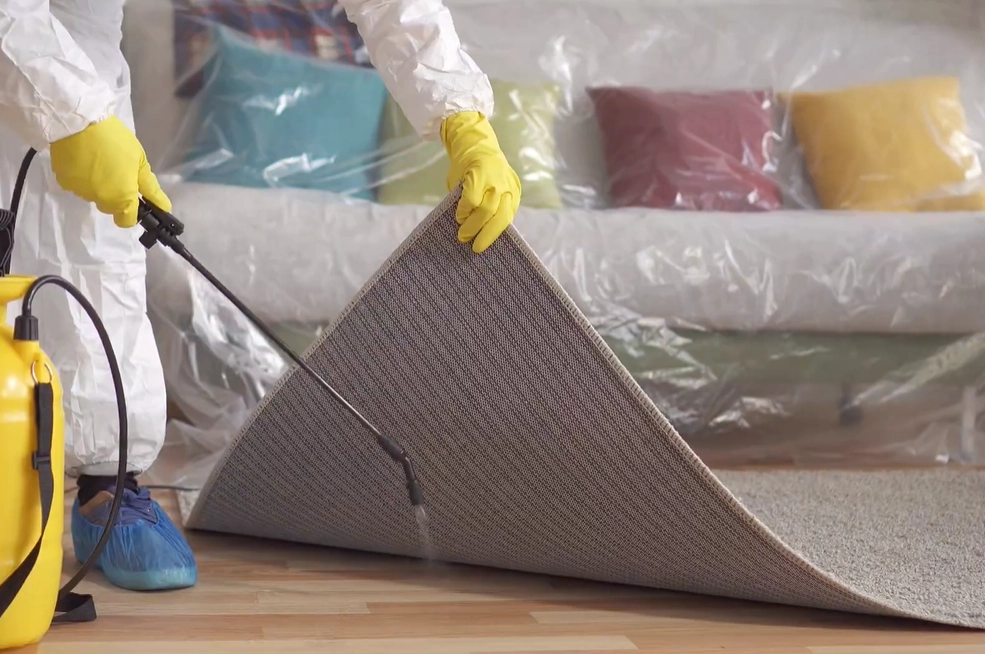
Rodent Exclusion & Prevention
This is the step that separates a lasting fix from a temporary one. We seal every identified entry point with materials rodents can’t chew through: steel wool, copper mesh, and proper flashing, not foam alone, which mice and rats gnaw straight through.
Available as a standalone service if you want prevention before a problem starts, not just after.
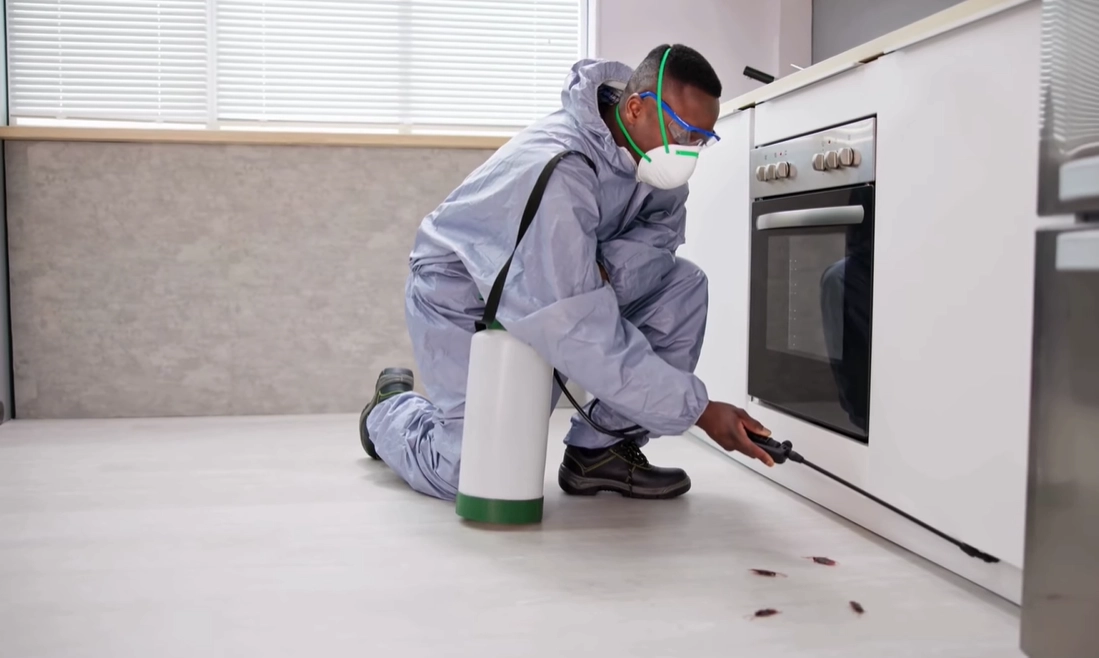
Commercial Rodent Control
For restaurants, retail, warehouses, and multi-unit rental properties, where a rodent problem creates food-safety and liability exposure beyond a single household. Includes documented service visits suitable for health inspections and commercial lease compliance.
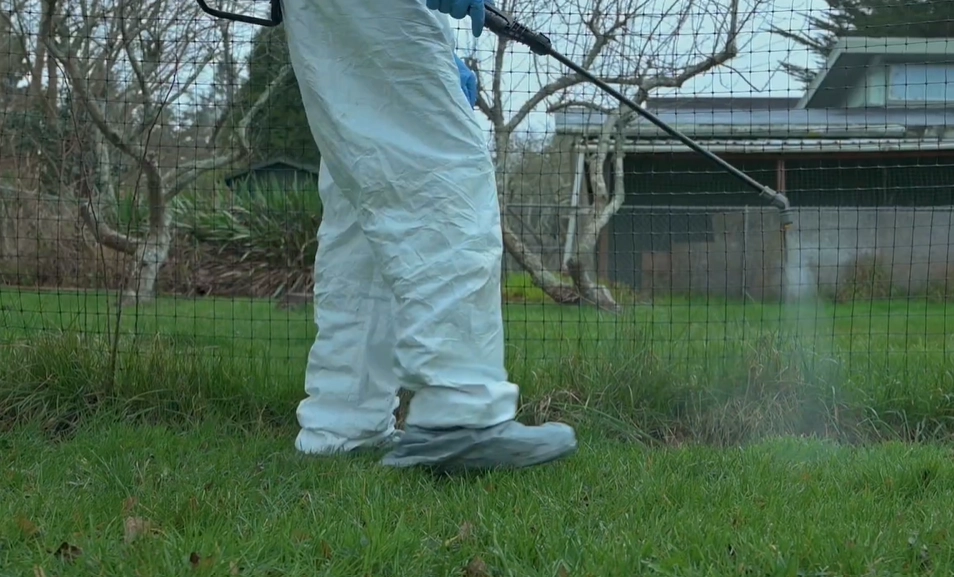
Attic & Crawlspace Cleanup / Decontamination
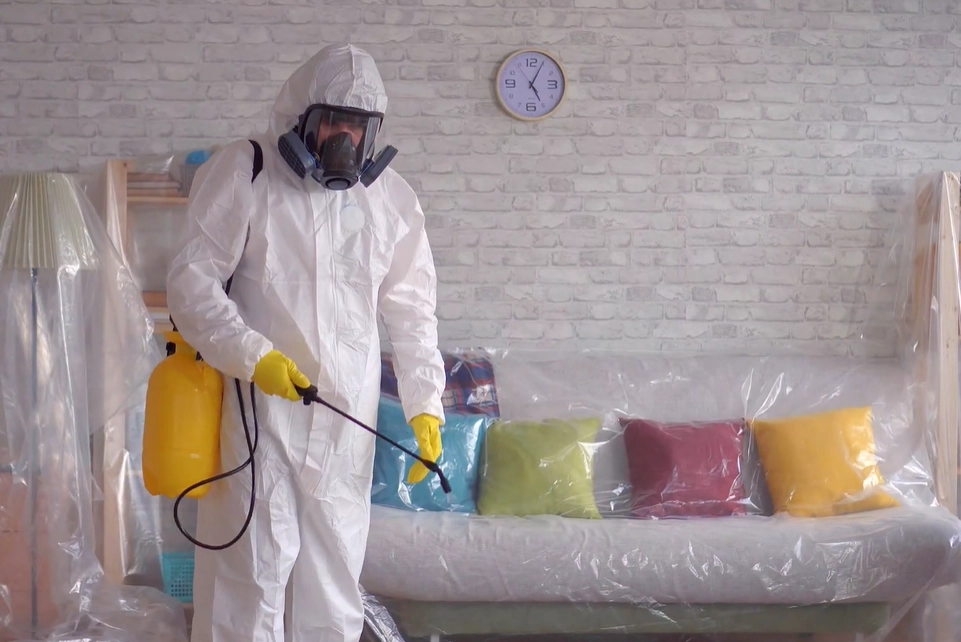
For established infestations, droppings, urine, and nesting material need to be removed safely, not just the live animals. This matters most in Idaho Falls’ older housing stock; the median home here was built in 1977, and decades-old attics and crawlspaces often have buildup that predates the current homeowner. Includes safe removal, sanitization, and odor treatment.
Rodent control pricing in Idaho varies by pest type, infestation severity, and whether exclusion work is needed but based on current regional rates across Idaho pest control providers, here’s what Idaho Falls homeowners should realistically expect to pay in 2026:
|
Why the range is wide: a home with one obvious entry point and a light mouse population costs far less to fix than an older Idaho Falls home with multiple unsealed gaps and an established rat population. Regionally, trapping-only service without exclusion tends to be the cheapest option upfront, but pest professionals across Idaho consistently note that trapping without sealing entry points is a temporary fix, and homeowners who skip exclusion often end up paying for the same treatment again the following fall.
We give you the real number after inspection, itemized by service, not a lowball estimate that changes once we’re already inside your attic. No cancellation fees, no long-term contract required to get service.
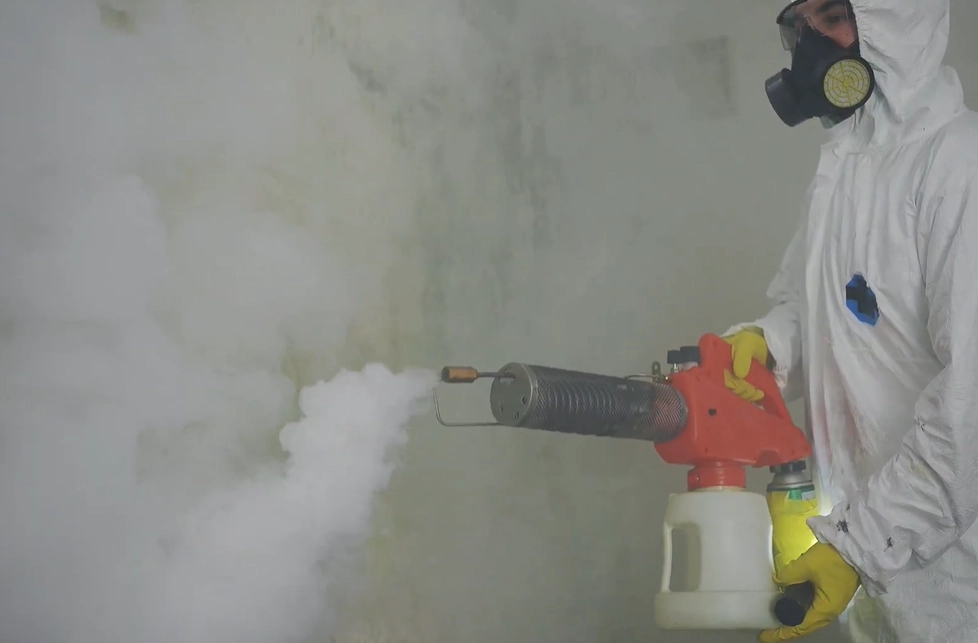
Why Trapping & Exclusion Beats Poison Alone
Poison bait boxes are common in Idaho Falls, and they’re not wrong to use in every situation, but used alone, they have a real weakness: a poisoned rodent doesn’t always die where you can find it. That means dead-rodent odor in a wall or attic, and it does nothing to close the gap that let the animal in to begin with. It also doesn’t solve anything if you’re not the one who wants to sign up for a recurring quarterly bait-refresh contract indefinitely.
Our approach is trap-and-seal first: remove the current population, then close the entry points so new rodents can’t get in behind them. Poison has a place in ongoing commercial or agricultural settings, but for a residential Idaho Falls home, exclusion is what actually stops the problem from coming back every fall.
What Makes Sunrise Peak Different
No long-term contracts. You don’t get locked into a recurring plan you can’t cancel. If you need one-time service, that’s what you get.
Licensed for rodent trapping and removal under Idaho requirements; not every “handyman” rodent removal offer in this market actually is.
We work with landlords and property managers, not just homeowners. See our dedicated rental property page for how we handle multi-unit and tenant-reported infestations.
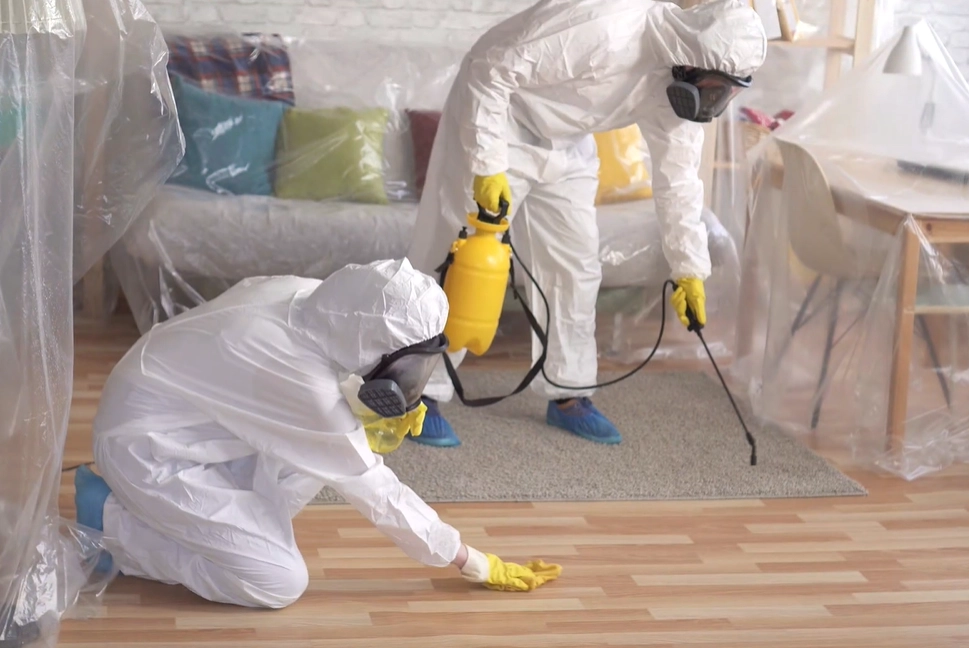
Transparent pricing, explained before we start no surprise line items after the job is done.
Local knowledge, not a national call center. We know which Idaho Falls neighborhoods sit closest to farmland, which older housing developments have known foundation gap issues, and how this year’s winter is shaping up compared to a typical one.
Real Idaho Falls Rodent Control Cases
Older Home, West Idaho Falls
A homeowner in a house built in the late 1970s started hearing scratching in the attic in early October. Inspection found three separate entry points: a gap where a dryer vent exited the siding, a foundation crack near the utility line, and a partially rotted garage door seal. All three were sealed with rodent-proof materials, the existing mouse population was trapped and removed over a two-week period, and a follow-up inspection three weeks later confirmed no new activity.
Farmland-Adjacent Property, Ammon
A property backing onto open agricultural land reported repeated mouse activity in a detached garage and shed every fall, despite DIY snap traps. Full exclusion of the outbuildings, combined with removing exposed pet food and firewood stacked against the structures, resolved the recurring pattern going into the following season.
Rental Property, Idaho Falls
A property manager received a tenant complaint about droppings in a kitchen pantry. Inspection revealed a gap around a plumbing penetration under the sink. Because the property had multiple similar units on the same foundation design, the same entry point was proactively checked and sealed across the other units to prevent a repeat call.
Areas We Serve
Sunrise Peak Rodent Control serves homeowners, landlords, and businesses throughout Idaho Falls and the surrounding communities of the upper Snake River Valley. Rodent pressure looks a little different in each of these areas, which is part of why a generic, one-size-fits-all treatment plan doesn’t work as well as one built around where you actually live.
Idaho Falls
Our core service area. The city’s older housing stock (median build year 1977) means foundation gaps, aging garage seals, and utility penetrations are common entry points, especially in established in-town neighborhoods rather than newer subdivisions.
Ucon
A smaller, more rural community northeast of Idaho Falls, where larger lots, outbuildings, and proximity to farmland make exclusion around barns, sheds, and detached structures just as important as the house itself.
Shelley
South of Idaho Falls in an agricultural part of Bingham County, where farm-adjacent properties, grain storage, and livestock feed are common attractants for both mice and rats.
Ammon
A fast-growing community bordering open agricultural land east of Idaho Falls. Properties backing onto farmland or open fields see more outdoor-to-indoor rodent pressure, particularly in detached garages, sheds, and outbuildings.
Iona
Similar rural profile to Ucon, close to the Snake River itself, where properties near water and irrigation canals can see additional rodent activity drawn to consistent water sources.
Rigby
Northeast of Idaho Falls in Jefferson County, with a mix of newer subdivisions and older rural homes; entry-point risk varies more by individual property age here than by neighborhood.
Don’t see your exact town listed? Call us; we cover the broader Idaho Falls metro area beyond this list.
Contact us
Need Rodent Control Services?
Call To Ask Any Question
Sunrise Peak Industrial, Idaho Falls, ID 83401