
Rodent Exclusion & Prevention Idaho Falls, ID | Seal Entry Points
Rodent Exclusion & Prevention. Professional entry-point sealing & exclusion for Idaho Falls homes. Prevent repeat infestations. Call (208) 361-9860.
Experienced Team
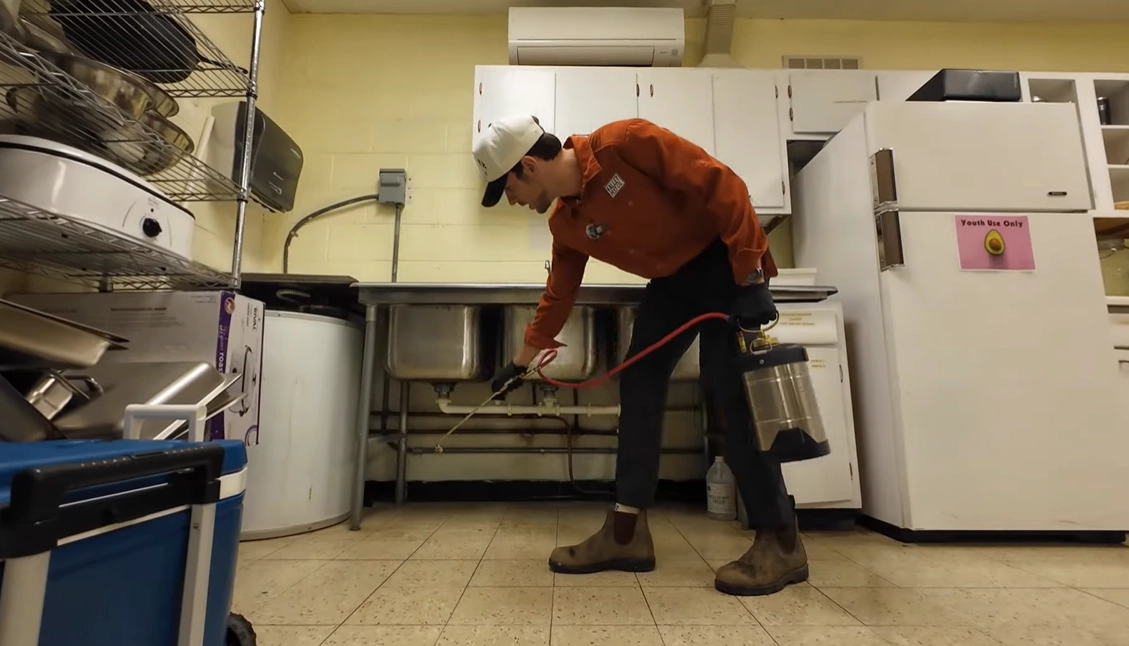
Rodent Exclusion & Prevention in Idaho Falls, ID
Trapping removes the rodents that are already inside. Exclusion is the part of the job that stops the next ones from getting in, and it’s the step that most quick-fix rodent services skip entirely, because it takes more time and skill than setting a trap. We offer exclusion as both a follow-up to active removal and as a standalone preventive service for Idaho Falls homeowners who want to get ahead of the problem before fall migration season starts.
Call (208) 361-9860 to schedule an exclusion inspection.
Where Rodents Actually Get In
Based on the entry points we find most often across Idaho Falls, Ammon, Ucon, Iona, Shelley, and Rigby:
Utility penetrations gaps around where pipes, wires, or vents pass through an exterior wall or foundation, frequently oversized relative to the utility line itself
Garage door thresholds worn or gapped seals along the bottom of a garage door are one of the single most common entry routes we find
Rooflines and attic vents are particularly relevant for roof rats, which prefer climbing access over ground-level entry
Foundation vents and crawlspace access points, especially in older homes where vent screens have degraded or gone missing
Where siding meets the foundation, a common weak point after decades of settling and freeze-thaw movement
Overhanging trees or shrubs touching the structure functioning as a direct bridge onto a roof or upper-level entry point
Why Exclusion Is the Step That Actually Matters
Here’s the pattern pest professionals across Idaho consistently describe: a homeowner traps and removes a rodent population, feels the problem is solved, and then calls the following fall again because a new population found the same unsealed entry point the first one used. Trapping without exclusion isn’t a failure of the trapping; it’s an incomplete job. The entry point that let rodents in this year doesn’t close itself, and rodents are persistent, opportunistic animals that will keep testing a structure’s weak points as long as those points exist.
This is especially relevant in Idaho Falls given the city’s housing stock. The median home here was built in 1977, and decades of freeze-thaw cycles a normal, expected part of an Idaho Falls winter, gradually shift foundations and widen small gaps that were never a problem when the house was newer. A mouse needs an opening only the size of a dime. A rat needs one the size of a quarter. In a home several decades old, these gaps are common and often go unnoticed until a rodent finds them first.
What Real Exclusion Work Involves
Sealing a gap with spray foam alone is not exclusion foam is exactly the kind of material mice and rats chew through without much difficulty, which means a foam-only “fix” often fails within weeks. Proper exclusion uses:
- Steel wool packed into smaller gaps, which rodents generally won’t chew through due to the sharp fibers
- Copper or stainless steel mesh for larger openings, particularly around utility penetrations
- Metal flashing for larger structural gaps, garage thresholds, and areas prone to further movement or settling
- Properly fitted vent covers for foundation and crawlspace vents
Every entry point is different, and the right material depends on the size, location, and likelihood of future movement at that specific spot, which is why exclusion should follow a full inspection, not a generic checklist applied the same way to every house.
Open everyday from
24/7
Call to ask any question
Preventive Exclusion: Getting Ahead of Fall Migration
You don’t have to already have a rodent problem to benefit from exclusion. Because rodent activity in Idaho Falls follows a predictable seasonal pattern migration indoors peaks from late September through November as outdoor temperatures drop. Sealing likely entry points in late summer or early fall, before that migration begins, is one of the most effective ways to avoid an infestation altogether. This is particularly worth considering for:
- Homes built before the 1990s, where age-related gaps are more likely
- Properties bordering farmland, open fields, or undeveloped land, common in Ammon, Ucon, and Shelley
- Homes with a documented rodent history, since the same structural weak points tend to attract repeat activity
- Rental properties, where preventing a call from a tenant is far less costly than responding to an active infestation
Our Exclusion Process
- Full Property Inspection. We walk the entire exterior and accessible interior spaces foundation, garage, attic, crawlspace identifying every current and likely future entry point, not just the obvious ones.
- Prioritized Sealing. We address active entry points first, then likely future risk points, using the appropriate material for each specific gap.
- Verification. For properties with an active infestation being excluded alongside removal, we confirm the seal is holding before considering the job complete.
- Documentation. For landlords and property managers especially, we can document what was sealed and where, useful for maintenance records and future reference.
What Exclusion Costs in Idaho Falls
Based on current regional Idaho pricing, exclusion work typically ranges from $200–$800+, depending on the number and size of entry points identified. Standalone preventive exclusion (with no active infestation) is often less involved than exclusion following an established infestation, since there’s no need for interior decontamination alongside the sealing work.