Attic & Crawlspace Rodent Cleanup Idaho Falls, ID | Decontamination
Attic & Crawlspace Rodent Cleanup for Idaho Falls attics and crawlspaces. Proper protocol, no shortcuts. Call (208) 361-9860.
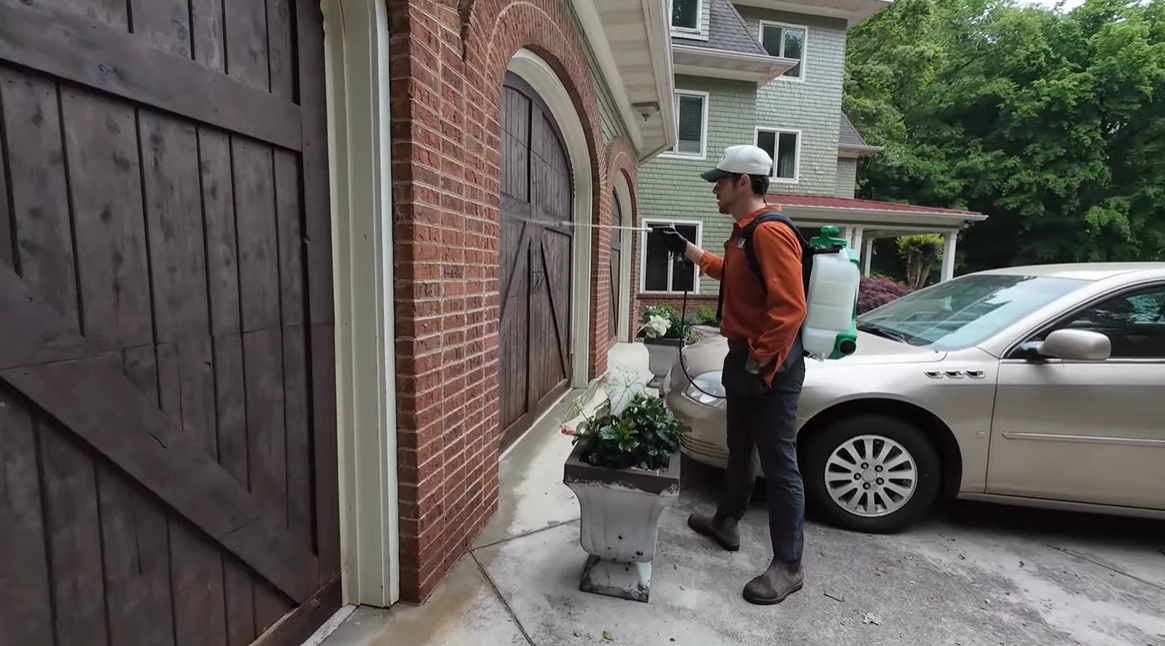
Attic & Crawlspace Cleanup and Decontamination in Idaho Falls, ID
Removing the rodents is only part of the job. Once a population has been established in an attic or crawlspace for weeks or months, it leaves behind droppings, urine, shredded nesting material, and often a lingering odor, and cleaning that up incorrectly can turn a manageable problem into a genuine health exposure. Sunrise Peak Rodent Control provides proper decontamination for Idaho Falls attics and crawlspaces, following the same safety protocol public health guidance recommends, not a quick surface wipe-down.
Call (208) 361-9860 to schedule an inspection.
What Decontamination Actually Involves
Assessment. We determine the extent of contamination, how large an area is affected, what species was likely involved, and how long the population appears to have been established.
Sanitization. Affected surfaces are disinfected to address bacterial contamination left behind, not just visible waste.
Insulation Assessment. In cases of heavy contamination, insulation itself may need replacement rather than cleaning, since urine-saturated insulation can retain odor and bacterial contamination indefinitely.
Safe Removal. Droppings, urine-soaked insulation, and nesting material are removed using the wet-cleanup method described above, not dry sweeping.
Odor Treatment. Urine odor can persist in insulation and wood surfaces well after visible cleanup; we address this directly rather than leaving it to fade on its own.
Why This Step Gets Skipped and Why It Shouldn’t
Decontamination takes longer and costs more than simply trapping, so some quick-fix services leave it out entirely, or treat it as optional. For most Idaho Falls homes, it isn’t optional. An established rodent population can leave behind a significant amount of waste; a single rat can produce dozens of droppings a day, and a mouse close behind it. In an enclosed attic or crawlspace with limited airflow, that buildup doesn’t just disappear once the animals are gone.
This matters most in Idaho Falls’ older housing stock. With a median home build year of 1977, many attics and crawlspaces in this city have decades of accumulated buildup that predates the current homeowner entirely, inherited from a previous population nobody ever fully cleaned up after.
The Hantavirus Safety Protocol (Non-Negotiable)
If there’s any chance the population involved deer mice, more likely in attics of homes near farmland, foothills, or rural properties on the edge of Idaho Falls, Ucon, or Iona, cleanup requires specific precautions. Deer mice can carry hantavirus (Sin Nombre virus), and the transmission route is inhaling airborne particles from dried droppings or urine, not a bite or direct contact. That means the danger isn’t the droppings themselves; it’s disturbing them into the air.
The rules that matter most:
- Never dry-sweep or vacuum rodent droppings. This is the single most important safety instruction, because sweeping or vacuuming aerosolizes exactly the particles that carry risk.
- Ventilate the space before entry. Open the area up vents, windows, and access doors for at least 30 minutes before anyone enters to work.
- Use a wet cleanup method. Droppings and nesting material should be sprayed down with a disinfectant solution before being disturbed or removed, not swept dry.
- Use appropriate protective equipment. Gloves at minimum; for larger or older accumulations, additional respiratory protection is appropriate.
Public health guidance is consistent on this across the western U.S., and Idaho is no exception. The risk to the general public is low, but the low probability doesn’t mean the correct protocol is optional when doing the actual work.
Open everyday from
24/7
Call to ask any question
When You Need This Service (and When You Might Not)
You likely need decontamination, not just trapping, if:
- The infestation has been active for more than a few weeks before you noticed it
- You’re finding droppings across a wide area of the attic or crawlspace, not a single concentrated spot
- There’s a noticeable ammonia or musty odor when you enter the space
- You’re buying or have recently bought an older Idaho Falls home and want to confirm there’s no inherited contamination from a previous population
You may not need full decontamination if the infestation was caught early, is limited to a small, easily accessed area, and involved a small population over a short period, but this is a determination worth having a professional make rather than assuming based on how bad it looks from the access door.
What Decontamination Costs in Idaho Falls
Cost depends heavily on the square footage affected and the extent of contamination, typically ranging from $300–$1,200+ for residential attics or crawlspaces. Cases requiring insulation replacement in addition to cleanup will run higher. [Request an inspection →] for an accurate assessment specific to your property.