
Signs of a Rodent Infestation in Idaho Falls, ID | Early Warning
Scratching, droppings, gnaw marks? Learn the real signs of a rodent infestation in Idaho Falls homes before it gets worse. Call (208) 361-9860.
Experienced Team
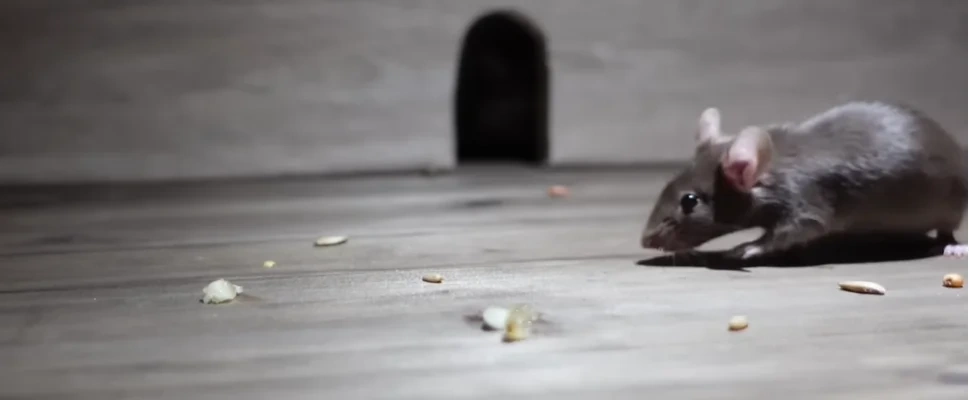
Signs of a Rodent Infestation in Idaho Falls Homes
Most rodent infestations don’t announce themselves loudly. They start small: a single sound at night, a handful of droppings tucked behind a box, and by the time the signs are obvious to everyone in the house, the population is usually well past the easy-fix stage. Knowing exactly what to look for, and what it actually means, is the difference between catching a problem in its first week and dealing with it three months in.
If you’re noticing any of the signs below, call (208) 361-9860 for an inspection before it escalates.
The Sound: Scratching, Scurrying, and Gnawing
This is usually the first thing homeowners notice, and for good reason mice and rats are largely nocturnal, so activity tends to peak once a house goes quiet at night. Listen for:
Scratching sounds in walls, ceilings, or the attic, typically most audible in the hour or two after everyone’s gone to bed
Scurrying or running sounds, especially along ceiling joists or within wall cavities
A steady gnawing sound, which can indicate active chewing on wiring, wood, or structural material worth treating as more urgent than scratching alone, since it points to potential wiring damage
If the sound is isolated to one specific area rather than spread across multiple rooms, that’s actually useful information it suggests a more contained entry point rather than a widespread structural vulnerability.
Droppings: The “Rice Test”
Rodent droppings are one of the most reliable and easiest-to-confirm signs of an infestation. Fresh droppings are dark, moist-looking, and roughly the size and shape of a grain of rice a comparison local pest technicians use often enough that it’s become a genuine shorthand for identification. Older droppings dry out, becoming lighter in color and more brittle.
Where to check: pantries and cabinets (especially near stored food), under kitchen sinks, along baseboards, inside drawers that haven’t been opened recently, and in attics or crawlspaces during any inspection of those spaces.What the size tells you: mouse droppings are noticeably smaller, rice-grain-sized, while rat droppings are larger, roughly half an inch and capsule-shaped. This distinction alone can help narrow down which species you’re dealing with before a professional inspection confirms it.
Grease Marks and Rub Marks
Rodents have poor eyesight and rely heavily on their whiskers and body to navigate along walls and edges, which means they tend to travel the exact same routes repeatedly. Over time, the natural oils in their fur leave behind grease marks dark, slightly greasy-looking smudges along baseboards, walls, and pipes at rodent height. These marks are a strong indicator of an established, ongoing population rather than a single one-off visitor, since a single passing rodent rarely leaves a visible mark; repeated traffic over days or weeks does.
Open everyday from
24/7
Call to ask any question
Gnaw Marks
ClimRodents’ teeth grow continuously, which means they gnaw constantly to keep them worn down and they’re not selective about what they chew. Common places to check:
- Electrical wiring in attics, crawlspaces, or behind appliances this is the sign that carries the most urgency, given the documented link between rodent-chewed wiring and house fires with undetermined causes
- Wood, particularly at corners, door frames, and structural beams
- Food packaging, cardboard boxes, and stored items in pantries, garages, or storage areas
- Plastic and PVC, including some plumbing components
Fresh gnaw marks tend to look lighter and rougher; older marks darken and smooth out over time as they’re exposed to air and handling.
The Smell
A strong, musty, ammonia-like odor particularly noticeable in enclosed spaces like attics, crawlspaces, or under-cabinet areas often indicates a more established infestation than the other signs alone. In heavier infestations, accumulated dried urine and dust can build into small mounds sometimes referred to locally as “urine pillars.” If you notice this smell and can’t immediately locate its source, it’s a strong signal to have the space professionally inspected rather than just masking the odor.
Nests
Rodents build nests from whatever soft material is available: shredded paper, insulation, fabric scraps, even chewed cardboard typically tucked into quiet, undisturbed spaces: behind stored boxes, inside wall voids, in attic insulation, or in rarely used drawers and cabinets. Finding an active nest is one of the clearest confirmations of an established population, particularly if it contains fresh droppings or visible movement.
Live or Dead Sightings
An obvious one, but worth stating plainly: seeing a live rodent, even briefly, almost always means there are more you haven’t seen. Rodents are naturally cautious around open, well-lit areas, so a daytime sighting in particular often suggests a population large enough that some individuals are being pushed to forage outside their normal nighttime pattern.
Pet Behavior
Dogs and cats often notice rodent activity well before their owners do. Pets that suddenly become fixated on a specific wall, cabinet, or appliance sniffing intently, scratching at the base of a wall, or staring at a spot with unusual persistence may be picking up on sound or scent that hasn’t yet become obvious to a person.
What to Do If You Notice One Sign vs. Several
One or two signs a single sound at night, or a handful of droppings in one spot often means you’re early enough to address the problem with exclusion work and light trapping before it becomes established.
Several signs at once droppings across multiple areas, grease marks, an odor, and consistent nighttime sounds usually indicates an established population that needs a full inspection, trapping, and exclusion rather than a quick fix.
Waiting rarely helps. Rodent populations grow quickly a single breeding pair can produce a real infestation within weeks so a “small” problem noticed in early fall can become a significantly larger one by the time winter sets in.