Rodent Control FAQ Idaho Falls | Get Answers Before You Call

Answers to the most common rodent control questions in Idaho Falls: cost, hantavirus, animal control, insurance & more. Call (208) 361-9860.

Experienced Team
Rodent Control FAQ

Rodent Control FAQ: Idaho Falls, ID

Straight answers to the questions we hear most often from Idaho Falls homeowners, landlords, and business owners organized by topic, with links to the full guide on anything that needs more depth than a short answer can give.

Have a question not covered here? Call (208) 361-9860 and we’ll answer it directly.

No. The City of Idaho Falls Animal Services division handles dogs, cats, livestock, and stray animals within city limits it does not respond to rodent infestations. Homeowners need a licensed private pest control or wildlife removal company.

The most common signs are scratching sounds in walls or the attic (especially at night), rice-grain-sized droppings in pantries or along baseboards, gnaw marks on wiring or food packaging, dark grease marks along frequently traveled routes, and a musty ammonia-like odor in enclosed spaces.

Mice and rats are indoor invaders; voles and gophers are almost exclusively outdoor, yard-based pests. Voles leave narrow surface trails through grass, while gophers create volcano-shaped dirt mounds.

Timing & Seasonality

Late September through November is peak season, as dropping temperatures push rodents out of surrounding Snake River Valley farmland and into homes seeking warmth. A smaller secondary increase in crawlspace-related activity can occur from February through June due to snowmelt and spring moisture.

The combination of harsh winters, surrounding agricultural land supporting a constant outdoor population, and the city’s older housing stock (median build year 1977, with decades of freeze-thaw-widened entry points) creates a consistent, predictable annual pattern.

Open everyday from

24/7

Call to ask any question


FAQ

Health & Safety

Yes, but it’s a low-probability risk, not a common local health emergency. It’s carried specifically by deer mice, not house mice, and Idaho typically sees roughly one confirmed case per year statewide. The virus spreads through inhaling airborne particles from dried droppings or urine never sweep or vacuum them.

For a very small, isolated amount, following the correct protocol (no sweeping or vacuuming, ventilate first, use gloves and a disinfectant spray-down method) can be done by a homeowner. For larger accumulations or any suspicion of deer mice, professional cleanup is strongly recommended.

Yes rodents are documented carriers of more than 35 diseases collectively, including salmonella, which is a more common everyday risk than hantavirus for most households. General sanitation and prompt cleanup after an infestation address this risk directly.

Usually not directly standard policies typically treat rodent infestation and resulting damage as a preventable maintenance issue. The exception: if rodent-damaged wiring causes an electrical fire, the fire and smoke damage itself is generally covered, since fire is a standard covered peril.

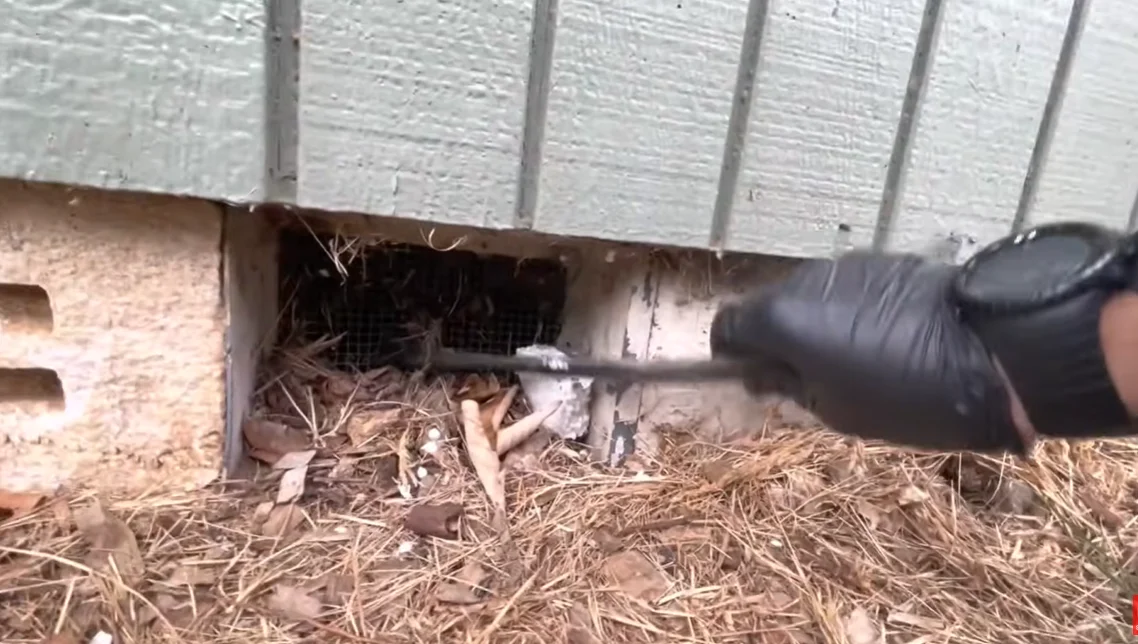
Trapping alone removes the current population but doesn’t address the entry point that let them in meaning a new population can move in through the same gap. Exclusion (sealing entry points with rodent-resistant materials) is what actually prevents the problem from recurring next season.


FAQ

Methods & Approach

Poison can reduce a population but doesn’t address entry points and can create odor problems if a rodent dies somewhere inaccessible. Trapping paired with exclusion is generally more effective for a lasting residential fix, though poison has a legitimate role in ongoing commercial or agricultural settings.

Yes, more reliably than trapping or poison alone rodents that can’t physically get in can’t establish a new population. Proper exclusion uses steel wool, metal mesh, and flashing, not spray foam alone, which rodents can chew through.

Idaho requires a license to trap rodents professionally for someone else’s property. For homeowners trapping on their own property specifically, the bigger practical concern isn’t legality it’s that an unsuccessful DIY attempt, especially with rats, can make the population more cautious and harder for a professional to trap afterward.


FAQ

For Landlords & Businesses

This is typically addressed in the lease itself, but habitability-related pest issues are generally treated as a landlord responsibility in most rental situations.

Yes, especially in buildings on shared foundations the same entry point frequently affects more than one unit, even if only one tenant has reported activity so far.

Yes, commercial and rental property service includes dated findings and treatment documentation suitable for health inspections, lease compliance, or property management records.

Idaho Falls, Ammon, Ucon, Iona, Shelley, and Rigby. If your property is nearby but not listed, call us to confirm coverage.

Yes on rural properties throughout Ucon, Iona, Shelley, and Rigby especially, outbuildings are frequently the first point of entry and are included in a full property inspection, not treated as a separate add-on.


Contact us

Need Rodent Control Services?

Call To Ask Any Question

📞 Call (208) 361-9860